Restorative dentistry 4 min read
Replacing Missing Teeth: Dental Implants vs. Dentures vs. Bridges
Compare the cost, comfort and care of three ways to replace missing teeth.

Losing a tooth affects more than your smile. It can change how you chew, how you speak and, over time, the shape of your jaw. The good news is that modern dentistry offers several reliable ways to replace missing teeth.
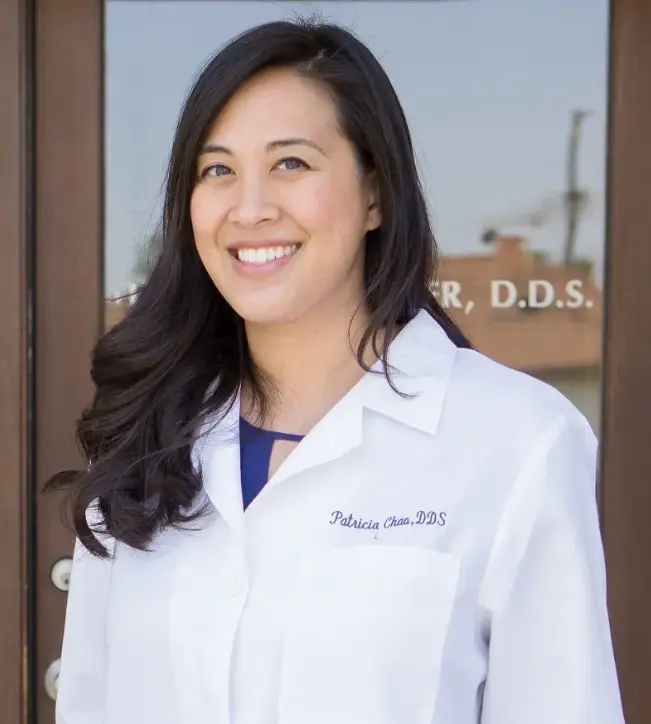
At Chao Dental Studio in Santa Clara, Dr. Patricia Chao offers dental implants, dentures (full, partial, immediate and implant-retained) and crowns and bridges. This guide explains how each option works, so you can go into your consultation with clear questions.
Why replacing a missing tooth matters
When a tooth is lost and not replaced:
- Neighbouring teeth can drift into the gap, affecting your bite.
- The opposing tooth can over-erupt without anything to bite against.
- Jawbone can shrink in the area, because bone needs stimulation from a tooth root to stay healthy.
- Chewing and speech can become harder, especially with multiple missing teeth.
- Facial support may change over time when several teeth are missing.
Option 1: Dental implants
A dental implant is a small titanium (or similar biocompatible) post placed in the jawbone, where it acts as a new tooth root. Over a few months the bone bonds to the implant in a process called osseointegration. A custom crown is then attached on top.
Advantages
- Looks, feels and functions most like a natural tooth
- Helps preserve jawbone by stimulating it like a natural root
- Doesn't require reshaping neighboring teeth
- Can last for decades with good care
- Brush and floss like natural teeth
Considerations
- Higher upfront investment than other options
- Treatment happens in stages over several months
- Requires adequate bone and healthy gums (bone grafting may be needed in some cases)
Learn more on our dental implants page.
Option 2: Dentures
Dentures are removable replacements for missing teeth. At Chao Dental Studio we offer:
- Full dentures replace all teeth in an arch
- Partial dentures fill gaps when some natural teeth remain
- Immediate dentures are placed the same day teeth are removed, so you're never without teeth
- Implant-retained dentures snap onto a few implants for far greater stability
Advantages
- Most budget-friendly way to replace many teeth
- Non-surgical (for conventional dentures)
- Relatively quick to make
Considerations
- Conventional dentures can shift while eating or speaking
- May need relining or replacement as the jaw changes over time
- Don't stimulate bone the way implants do
The middle ground: implant-retained dentures combine the affordability of a denture with the stability of implants. For many patients who've struggled with loose dentures, this is life-changing.
Learn more on our dentures page.
Option 3: Dental bridges
A traditional bridge fills a gap by anchoring a replacement tooth to crowns on the teeth either side.
Advantages
- Fixed in place, with nothing to remove
- Completed faster than an implant
- Natural-looking result
Considerations
- Requires reshaping the adjacent teeth to hold crowns
- Doesn't stimulate bone beneath the missing tooth
- Flossing under the bridge takes a little extra effort
Quick comparison
| Factor | Implant | Bridge | Denture |
|---|---|---|---|
| Fixed or removable | Fixed | Fixed | Removable (or snap-on with implants) |
| Affects adjacent teeth | No | Yes | Partials may clasp nearby teeth |
| Preserves jawbone | Yes | No | No (implant-retained: partly) |
| Treatment time | Several months | A few weeks | A few weeks; immediate options available |
| Typical upfront cost | Highest | Moderate | Lowest |
| Longevity | Very long with care | Many years | May need relines or replacement |
How to choose
The right option depends on:
- How many teeth are missing and where
- Bone and gum health in the area
- Condition of neighboring teeth (if they already need crowns, a bridge may make sense)
- Your budget and timeline
- Your overall health and personal preferences
Dr. Chao uses a full exam and X-rays to explain which options fit your mouth and why, with the trade-offs laid out clearly.
Paying for tooth replacement
Many PPO plans cover a portion of implants, bridges or dentures. Our team verifies your benefits for free. We also offer CareCredit financing and an in-house membership plan that includes 20% off treatment for patients without insurance.
Frequently asked questions
Is getting an implant painful? Implant placement is done under local anesthetic. Most patients describe the recovery as manageable, often similar to having a tooth removed.
Can I get an implant years after losing a tooth? Often, yes. If bone has thinned, a graft may be recommended first.
Can my existing dentures be converted to implant-retained? In some cases, yes. Ask Dr. Chao during your consultation.
Book a tooth replacement consultation
You don't have to live with gaps or loose dentures. Talk to Dr. Patricia Chao, DDS, about the option that fits your smile, health and budget.
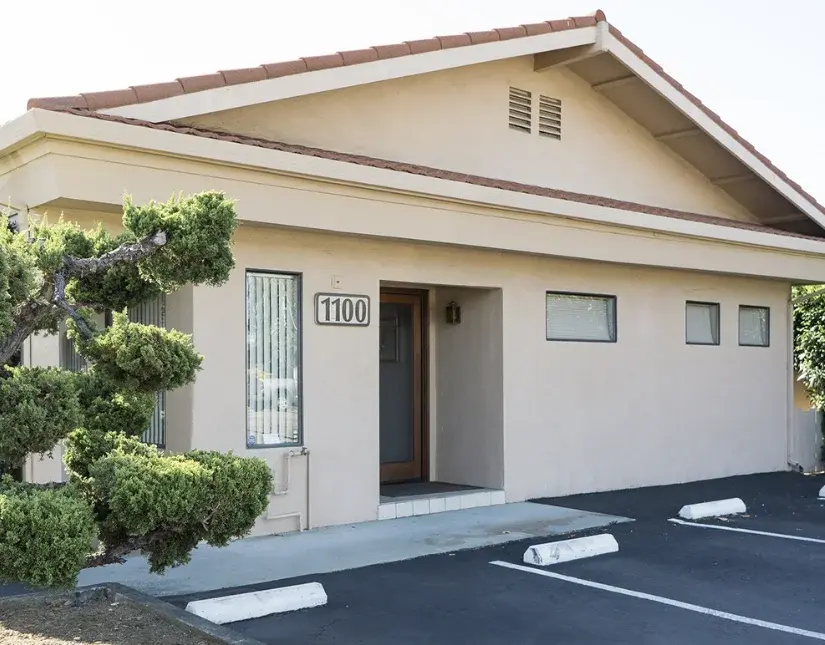
Call (408) 554-1100 or request an appointment. Chao Dental Studio, 1100 Scott Blvd, Santa Clara, CA 95050.